What Dubcon Romance Actually Means
Dubcon romance explained in one sentence: it's the space where consent is unclear, absent, or impossible to verify, and the story runs on that uncertainty instead of resolving it upfront. The term is short for dubious consent. It covers a wide spread of scenarios.
A character says no but their body responds. A captor and captive stop pretending the power imbalance isn't sexual.
A monster, alien, or beast has no human framework for asking permission in the first place. What makes dubcon its own category is that the ambiguity stays live.
The reader can't fully settle whether what's happening is wanted, and the text usually doesn't hand them a clean answer. That's the engine.
Dubcon vs CNC: The Difference Readers Keep Searching For
This is the question that brings most people to the term in the first place, so it's worth being precise. CNC stands for consensual non-consent.
The entire premise is that everyone involved agreed to the scenario beforehand, and the "non-consent" is a roleplay both parties opted into. The negotiation happens before the scene. The no is scripted.
Nobody's actual agency is in question once you're inside it. Dubcon flips that.
There's no prior agreement on the page, or the agreement is murky, coerced, or impossible to establish. The characters aren't playing at non-consent. They're genuinely inside a situation where consent is compromised, and the story treats that as the material rather than a problem to solve first.
Why the Distinction Matters
CNC is a kink with a safeword. Dubcon is a kink with no safeword, because the fiction hasn't established one exists. That structural gap is the whole appeal.
Readers who love dubcon aren't confused about consent. They know exactly what they're reading and they want the version where it's never been settled.
- CNC: consent is negotiated first, the scene is consensual by design, the "no" is agreed-upon theater.
- Dubcon: consent is absent, unreliable, or coerced, and the story leaves that ambiguity intact.
- The reader's position: in CNC they watch a scene play out. In dubcon they sit inside the not-knowing.
- Where it breaks down: when a writer tries to have both, giving a dubcon setup a tidy consent reveal at the end that erases everything the story was doing.
That last point is where a lot of books fumble it. If the whole tension was built on an unresolved power grab and then chapter twenty-nine retroactively makes it all consensual, the reader who came for dubcon feels cheated. The ones who wanted a clean romance could've read something else.
Where Dubcon Overlaps With Other Tropes
Dubcon rarely shows up alone. It usually rides on top of another dynamic that's already doing some of the work. A stalker romance can't really function without a dubcon undertone, because the premise is that someone is being watched and followed without their agreement, and the story has to decide what to do with that.
Same with forbidden setups. If you want the machinery behind those pairings explained at length, dark romance vs taboo romance: what's the difference is worth reading alongside this, because dark romance is where most dubcon ends up shelved. The two aren't identical, but they overlap constantly.
Any trope where one character has more power than the other can carry it. Captors, monsters, aliens, bosses, step-siblings, strangers who wake up married by accident. The power gap is the fertile ground. What makes it dubcon specifically is whether that gap gets resolved or left standing.
Common Dubcon Scenarios in Erotica
Monster and Beast Pairings
The creature has no human consent framework, so the question of whether it asked doesn't apply. This is one of the cleanest versions of the trope, because the ambiguity is baked into the biology. Lured by the Lizard Beast runs on exactly this, where the lure itself is the consent question.
The character didn't choose to be there. The beast didn't ask permission.
The reader has to decide what to do with that. It works because there's no social code being violated. There's just a creature doing what it does, and a person on the receiving end of it who can't quite call it what it is.
Captive, Bought, or Auctioned
Any setup where one character is property, prize, or purchase removes the option of consent from the start. The Alien Auction premise is the archetype here. Someone gets sold. Someone else owns them.
The whole plot has to figure out what happens in the space after that, which is usually where the ambiguity gets interesting. These stories can go two ways.
Either the writer lets the power imbalance stay rotten and unresolved, or they try to soften it into a romance. The first version is dubcon. The second is a fantasy about being so desirable that even your owner falls for you, which is a different kink entirely.
Enjoyed this? Get a free book.
Join the list and we will send a complete free story straight to your inbox, plus new releases every week after that. No credit card, no catch.
Heat, Breeding, and Biological Compulsion
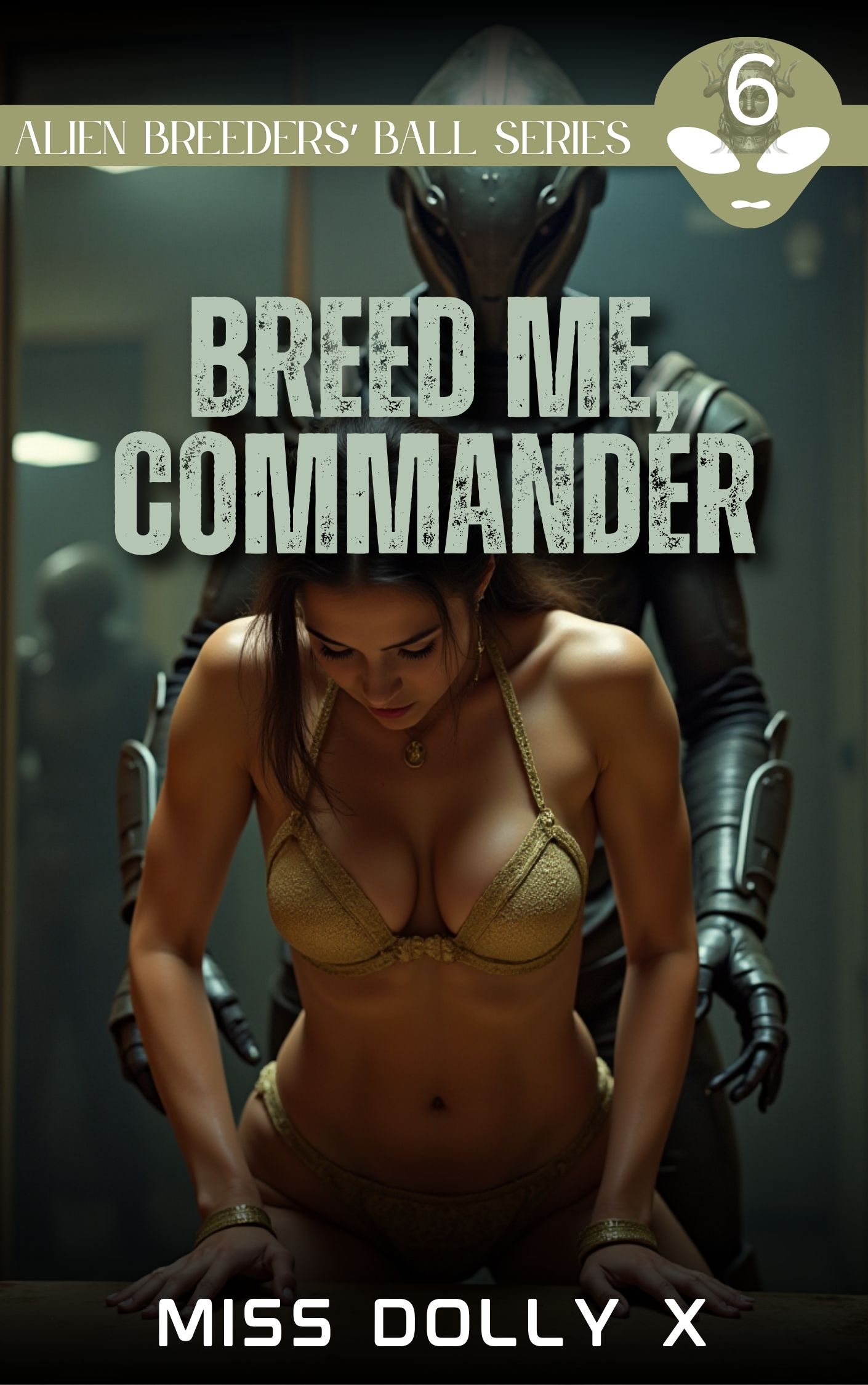
Anything where the body overrides the mind sits comfortably in this category. Characters in heat, characters driven by biology they didn't choose, characters who are trying to resist and failing. Breed Me, Commander and Tail Raised both live in this zone. So does Sea Beast's Breeding Toy, where the character's status as a "toy" removes consent as a relevant category before the story even starts.
The biological version is popular because it answers the "but did they really want it" question with a shrug. The body wanted it. That's all the story needs.
Forced Proximity With a Power Gap
Locked in, snowed in, stranded, married by mistake. If there's a forbidden affair romance layer on top of it, you get a situation where two people shouldn't be together, can't leave, and one of them has leverage over the other. That's dubcon territory every time.
Mounted by Midnight hits this from the creature angle, but the structure is the same. The setup didn't include a conversation. The characters are in it anyway.
Why Readers Search For Dubcon Romance
There's a version of this that feels uncomfortable to admit, so let's just say it. Dubcon lets readers explore scenarios they'd never want in real life, with the ambiguity left intact so nobody has to pretend it's something else. The not-knowing is the point.
If a story resolves the consent question cleanly, the fantasy collapses. If it doesn't, the reader gets to stay inside the tension. That's why so many dubcon readers are picky about where a book lands, and why they get annoyed when a promising setup gets sanded down into something safer by the final chapter.
There's also a craft side to it. Writing genuine ambiguity is hard. You have to hold two possibilities open simultaneously, which means refusing to tip the story toward either resolution for hundreds of pages. Most writers can't sustain it, so they resolve early and call it a slow burn.
How Dubcon Differs From Straight Non-Con
Non-con means there's no ambiguity. The scene is explicitly non-consensual, no hedging, no "maybe they wanted it." That's a separate category, and most platforms treat it differently, because there's nothing to misread.
Dubcon sits in the middle. It's softer than non-con and harder than CNC. The writer hasn't committed to either side, which is exactly what makes it work for the readers who want it. If you're trying to figure out where your own reading tastes land, the 50 best taboo & forbidden books you can read this year is a decent place to sample across the spectrum and see which ones actually hold the tension versus which ones flinch.
Recognizing the difference is usually the moment a reader stops being weird about it and starts being specific about what they like.
Signs a Dubcon Story Is Doing It Right
- The narrative doesn't apologize for the setup or explain it away in the last act.
- The power imbalance actually affects the plot, not just the first scene.
- One character's resistance is treated as real, not as a flimsy speed bump.
- The ending doesn't retroactively reframe everything as consensual just to make it palatable.
- The tension is sustained across the book, not concentrated in a single scene before the story turns sweet.
The flinch is the tell. If you can feel the author pulling back in the final third, worried about whether the reader will judge them, you're reading a romance that wanted to be dubcon and lost its nerve.
Dubcon in Other Subgenres
It shows up everywhere once you know what you're looking for. A motorcycle club romance can lean into it when the club has leverage over someone who's trying to leave. A blind date romance occasionally dips into it when one party doesn't realize the setup wasn't mutual.
Where it tends to be thinnest is in subgenres that need a clean HEA with no lingering ambiguity, which is most of contemporary romance. That's fine. Dubcon readers know where to look, and it's rarely in the books marketed as sweet.
The trope works best when the writer trusts the reader to handle it. Start guiding the reader through the ambiguity with side comments and reassurance and the story has already told you it doesn't believe in its own premise.
Reading Dubcon Without Getting Confused
Two things to keep straight. First, enjoying a dubcon story in fiction says nothing about what you want in real life. That gap is normal and the readers who've been at it a while don't agonize over it.
Second, the term is descriptive, not a moral category. It tells you what kind of tension the book is built on so you can pick it up or skip it, the same way "enemies to lovers" or "forced proximity" does.
Once the CNC and dubcon distinction clicks, most of the arguments people have about "is this problematic" fall away, because everyone's actually talking about different things. The overlap between the two is real, but they're built on opposite assumptions about whether anyone agreed beforehand. That's the whole difference, and it's enough to sort a bookshelf by.
Final Thoughts
If you want a clean starting point, Alien Auction is the one to pick up next. It takes the property-and-purchase version of the trope and lets the ambiguity do the heavy lifting instead of resolving it in the first fifty pages. Read it with the CNC distinction fresh in your head and you'll feel the difference in the first chapter.







Loading comments…