
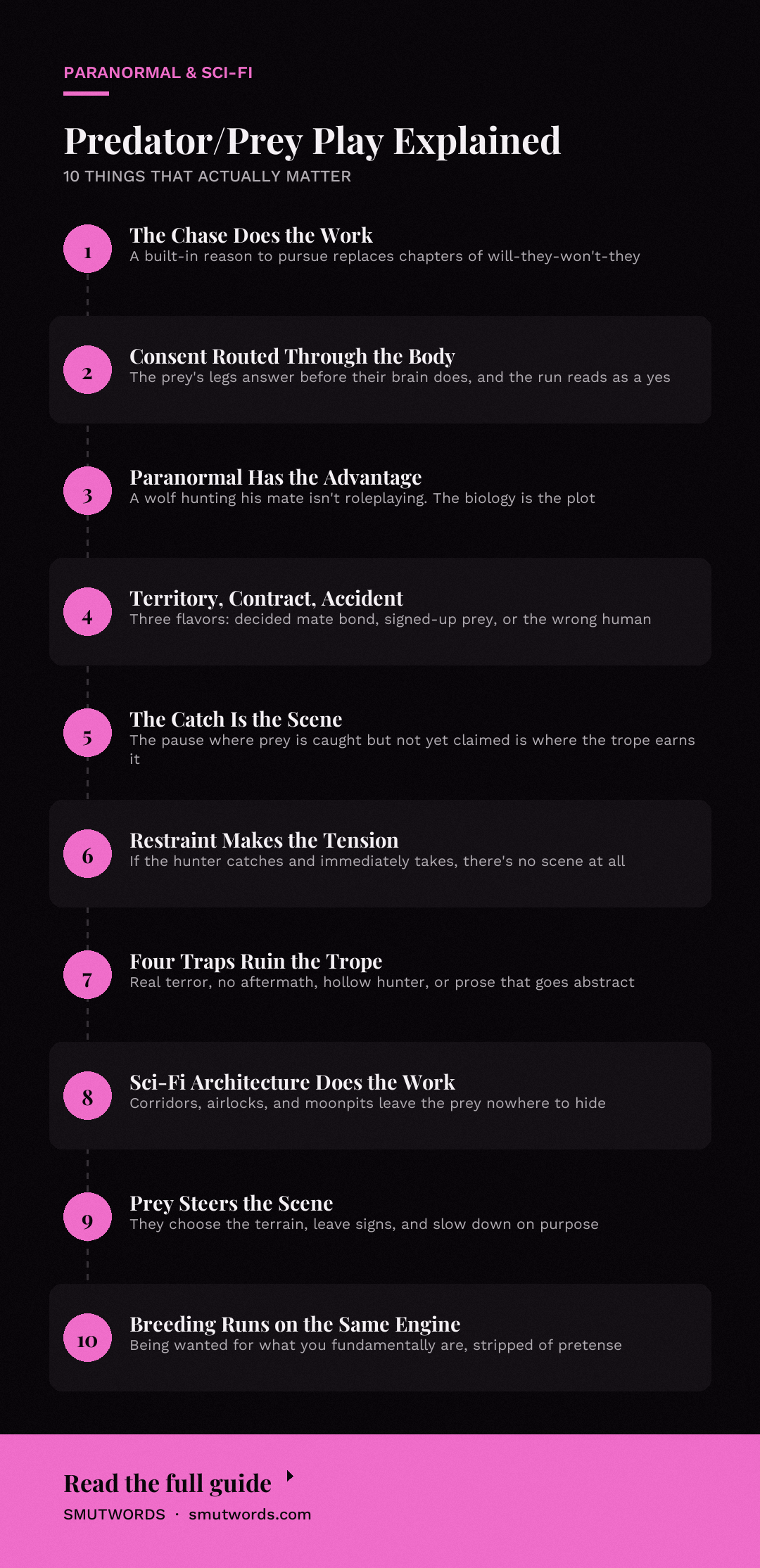
Somebody sprints. Somebody follows. Somebody gets caught, and the catching isn't the end of the scene. It's the door swinging open.
That's the whole engine of predator prey kink romance, and if you've been reading monster and alien erotica for more than five minutes you've already met it in a dozen forms, most of them with claws.
The reason it shows up so often in the paranormal cluster isn't laziness. A shifter, a hunter, a thing with too many teeth and a claim already staked has a built-in reason to run someone down that a human love interest simply doesn't.
The chase does the work that three chapters of will-they-won't-they would otherwise have to do.
What Predator/Prey Play Actually Is
Strip the fur off it and the shape is simple. One character is the hunter. One is the hunted. The hunted runs, whether because they're genuinely terrified, because they want to be caught, or because they've decided running is easier than admitting they want it.
The hunter pursues with intent. The tension lives entirely in the gap between those positions. Not in whether they'll end up together (they will, this is romance), but in how the pursuit reframes what's happening.
Every step the prey takes is a step they chose. Every time the hunter closes distance, the prey could have stopped. They don't.
That's the trick. Consent in predator/prey stories gets routed through the body rather than the mouth. The prey's legs answer before their brain does, and the reader reads the run as a yes without anyone having to say it out loud.
If you've read our breakdown of primal play, you've seen the real-world version of this. Predator/prey play in fiction borrows the same nervous-system logic and hands it to something with better teeth.
How the Chase Maps Onto Paranormal Romance
The paranormal cluster has a structural advantage here that contemporary romance has to fake. A werewolf hunting his mate across a forest at moonrise is doing what he is. He's not roleplaying a predator for the aesthetic. The biology is the plot.
That's why the trope clusters so tightly around shifters, aliens, and monsters. A human man chasing a woman through a parking garage is a thriller. A wolf doing it is a courtship ritual with a bite mark at the end.
You'll notice the chase and catch dynamic in Zorgon's Pet runs less on ambush and more on ownership already assumed, which is a different flavor of the same meal. The prey isn't outrunning a threat. She's testing the edge of a cage she's already inside.
Three flavors the trope keeps showing up in
- Territorial capture. The hunter has already decided. The chase is ceremony. Common in shifter romance where the mate bond fires before either party has agreed to anything.
- Contractual hunt. The prey signed up, or lost a bet, or was sold. The running is real but the stakes were set before page one. Sci-fi does this constantly.
- Accidental prey. The wrong human wanders into the wrong territory and the hunter has to decide whether to eat them or keep them. Frequently the best version, because the prey never asked for any of it.
Most books blend two of these. The best ones know which one they're primarily writing and don't waffle.
Why the Catch Is the Real Scene, Not the Run
A chase scene without a catch is just cardio. The payoff lives in the moment the hunter's hand closes on the prey's wrist or ankle or throat, the prey stops running, and the scene has to decide what happens next.
Good predator/prey romance slows down there. The prey is caught but not yet claimed. There's a beat, sometimes several paragraphs long, where both characters are just breathing and the reader is waiting to find out whether this is a fight or a fuck.
That pause is where the trope earns its keep. Bad versions skip it and jump straight to penetration. Good versions sit in it until the prey squirms, and the squirming is the answer.
What separates a good chase from a bad one
Run through a mental checklist on the last three monster romances you read.
- Distance. A good chase has real ground covered. If the prey is caught in eight steps, the stakes haven't had time to build. If they run for three chapters, the reader gets bored.
- The prey's inner monologue. The best scenes let us hear the prey lying to themselves. "I'm only running because I have to." "I'm not going to enjoy this." The reader clocks the lie immediately.
- The hunter's restraint. If the hunter catches and immediately takes, there's no scene. The tension is the hunter choosing to wait. Sometimes for a few seconds, sometimes longer.
- Physical detail. Mud, torn hems, gravel in a palm, the sound of breathing. Generic descriptions of "running through the forest" don't land. Specific ones do.
Notice that none of these require the prey to verbally consent, and none of them override consent either. The trope works when the reader can feel both, at once, without the text having to explain how.
Where Predator/Prey Sits in the Kink Cluster
Worth pulling back and locating this trope among its cousins, because they overlap and readers often come in through one and end up living in another. Predator/prey is closest to primal play, knotting, and marking, and it feeds directly into breeding scenarios when it wants to.
The chase and marking combine almost automatically. When a hunter finally catches the prey, the body claim is either happening or it's the very next scene. If you're new to how the mark functions in these stories, our explainer on mate bond and marking is worth reading before you go further, because half the payoff in a capture scene is about what happens after the grabbing stops.
Knotting is the other natural endpoint. The prey gets caught, gets held, gets filled. Knotting in shifter and monster romance functions as the lock on the door, both literally and otherwise.
And once you're in that neighborhood, the breeding material is right there. Predator/prey scenes run on the fantasy of being desired for exactly what the prey is: prey. That logic maps almost too cleanly onto monster breeding romance, where the hunter's goal isn't just the catch, it's what the catch is for.
Common Traps That Ruin the Trope
Plenty of books try this and fumble it. The failures tend to cluster around a handful of mistakes.
Trap one: making the prey genuinely terrified
If the reader believes the prey is in real danger and doesn't want any of this, the scene stops being erotic and starts being horror. Some writers chase that and end up having to do a hard pivot three paragraphs later that reads as a rug pull. The tone has to be right from the opening paragraph of the chase, not retrofitted.
Enjoyed this? Get a free book.
Join the list and we will send a complete free story straight to your inbox, plus new releases every week after that. No credit card, no catch.
Trap two: chase without aftermath
Some books run the whole chase in a paragraph and then move on. All build, no payoff. The reader gets whiplash and the scene feels like a plot device to get the characters into bed rather than a scene with its own shape.
Trap three: hunter with no interiority
The hunter needs a reason beyond "I want them." Shifter instinct works. So does a debt, a curse, a bargain, a hunt that was ordered by someone else. The Heir of Two Worlds does this well because the hunter's pursuit is tangled up with a hybrid breeding agenda that predates the prey entirely. The chase has consequences beyond the bedroom.
Trap four: forgetting the body
Predator/prey is a physical trope. If the prose goes abstract at the wrong moment, the scene dies. Keep the reader in the running feet, the burning lungs, the hand closing on the wrist.
Sci-Fi Does This Better Than People Give It Credit For
Genre snobs knock sci-fi romance for leaning hard on predator/prey, but the setting solves a problem the shifter subgenre has had since the 2000s. A ship has corridors. A station has airlocks. A moonpit has nowhere to hide.
The architecture does the tension for free. Read Claimed by the Nebula Lord with this in mind. The pursuit is written as foregone conclusion, and the scene works because the prey knows it.
The chase is ritual. The reader watches a character walk themselves into a corner they could have avoided, and the walking-into-it is the story.
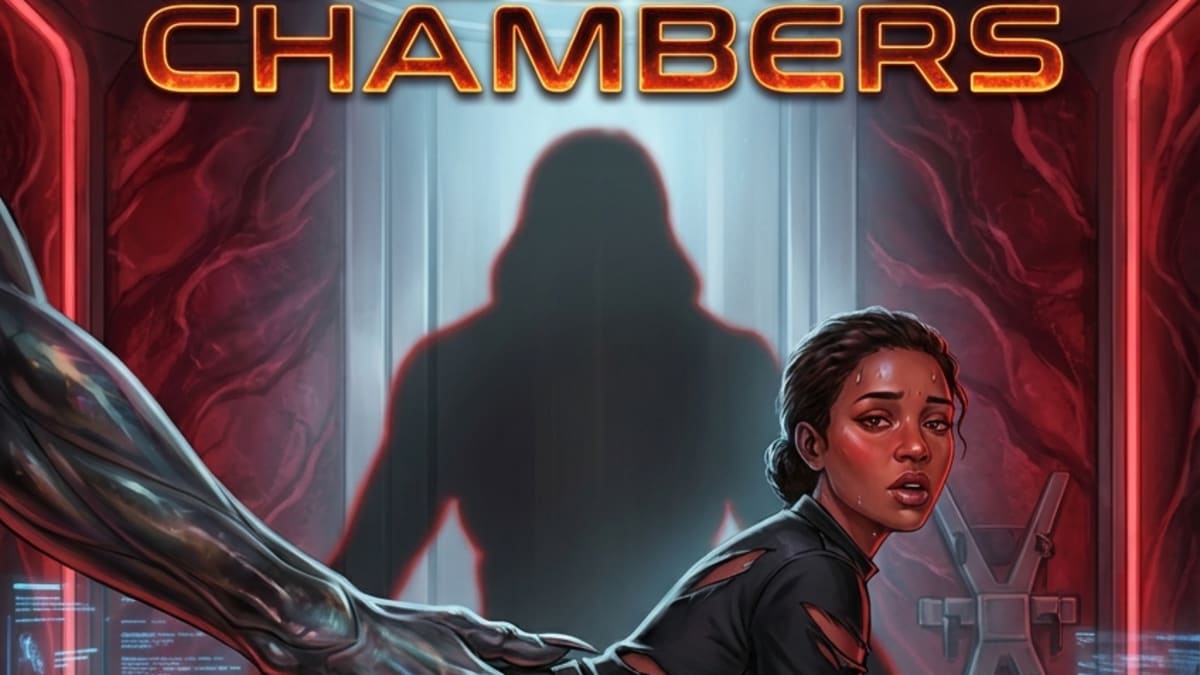
Same applies to Planet of Orgasms and to Alien Heatwave: An Alien Breeding First Contact Erotica, where the environment itself is doing the hunting. When the planet wants the protagonist caught, the male lead becomes a co-predator rather than the sole one, which is a smarter version of the trope than most shifter books manage.
For a wider sampling across both genres, our list of the 50 best paranormal and sci-fi books is a decent place to spot-check how different authors handle the same chase beat. You'll see the good versions from a mile away once you know what you're looking for.
The Prey Isn't Passive, and That's the Whole Point
Newer readers often come into predator prey kink romance assuming the prey is the passive party. The reading experience is the opposite. Prey characters in the best versions of this trope are the ones steering the scene, whether they admit it or not.
Watch what the prey actually does in a well-written chase:
- They choose the terrain. Every turn is their call.
- They leave signs. Footprints, torn fabric, a scent trail. On some level they want to be found.
- They slow down when the hunter falls behind. Every run has a stretch where the prey is technically outdistancing and doesn't.
- They argue after getting caught. The argument is the same confession in a different shape.
That's why the trope pairs so cleanly with enemies to lovers. A hunter and prey who already despise each other bring a second layer of friction to the same chase. The run has reasons on both sides. The catch has an argument attached.
It also pairs with revenge romance. The hunter's pursuit can be a punishment pretending to be a courtship, and the prey's running can be a penance they're exacting on themselves. Milked in the Moonpit leans into this, where the ritual framework turns the capture into something the prey is technically being processed through rather than simply taken by.
The Breeding Overlap and Why It Works So Well
Once the chase resolves into the catch, the next question the reader asks is what the catch is for. And in a lot of the best versions of predator prey kink romance, the answer is offspring.
That's not coincidental. Predator/prey is a fantasy of being wanted for something fundamental about you, stripped of social pretense.
Breeding material runs on the same engine. The predator doesn't want the prey because of their personality or their career. The predator wants the prey because the prey is the right animal at the right moment, and everything else falls away.
If you're new to that overlap, our explainer on the breeding kink is a useful companion piece to this one, and the impregnation kink writeup covers the specific outcome many predator/prey stories are actually heading toward even when the cover copy doesn't say so.
The trap here is doing the breeding angle lazily. A story that runs the chase, catches the prey, and immediately pivots to a pregnancy epilogue skips everything the trope is good at. The best predatory-breeding stories spend real time in the caught-but-not-yet-claimed stage and draw the whole arc out of that tension.
What to Look For When You're Choosing What to Read Next
Predator prey kink romance is a big enough umbrella that not every book under it will hit for every reader. Two things to check before you buy.
First, is the chase primary or ornamental? Primary means the run is doing narrative work. Ornamental means it's a scene inserted for flavor. Both can be good, but they read completely differently.
Second, who has the interiority? Some writers route the whole scene through the hunter's head, which gives you a very different book than one that stays in the prey's. Try a chapter from each before committing.
And if the alien version of the trope is your flavor, the tightest example in the SmutWords catalog right now is probably Alien Heatwave, which runs a first-contact scenario with a hunter-prey logic baked into the world rather than bolted on top of it.
Final Thoughts
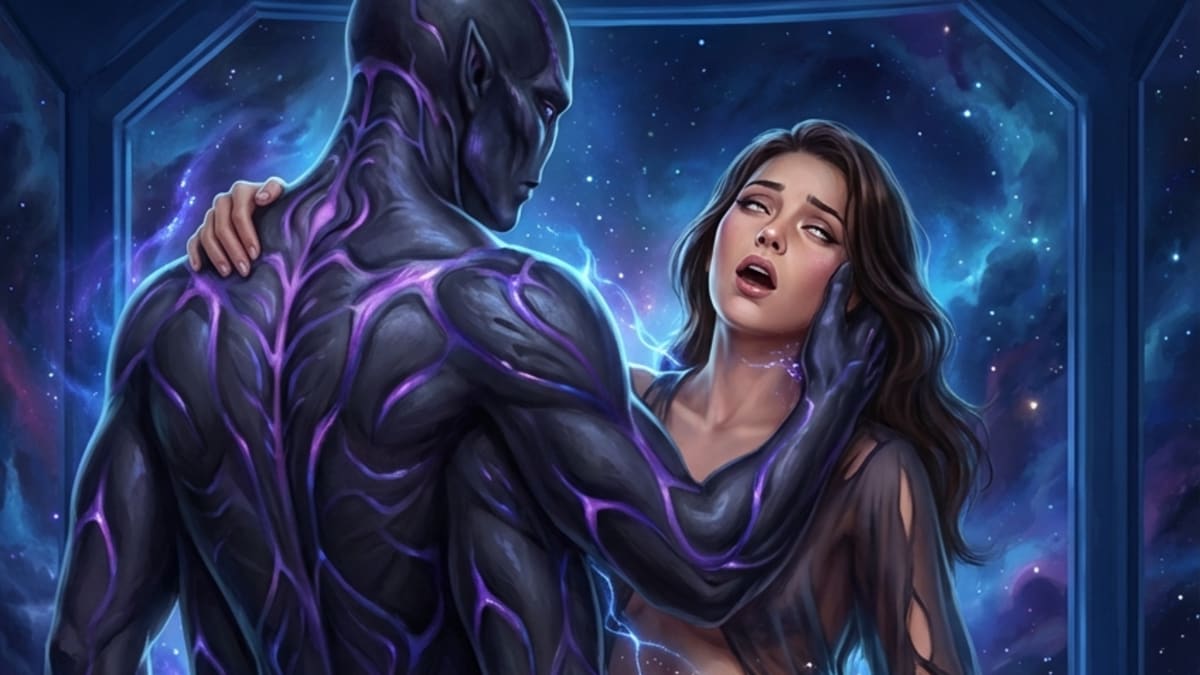
If you only read one thing off this post, make it Zorgon's Pet. It handles the ownership version of the trope without losing the run, which is a harder trick than the cover suggests, and the catch scenes do the slow-drawn-out thing that makes this kink worth reading in the first place. Read it after you've read the primal play explainer, and you'll see exactly what the trope is doing and why it keeps working.






Loading comments…